
Menu
When Should You Replace Your Windows in Texas? 7 Warning Signs
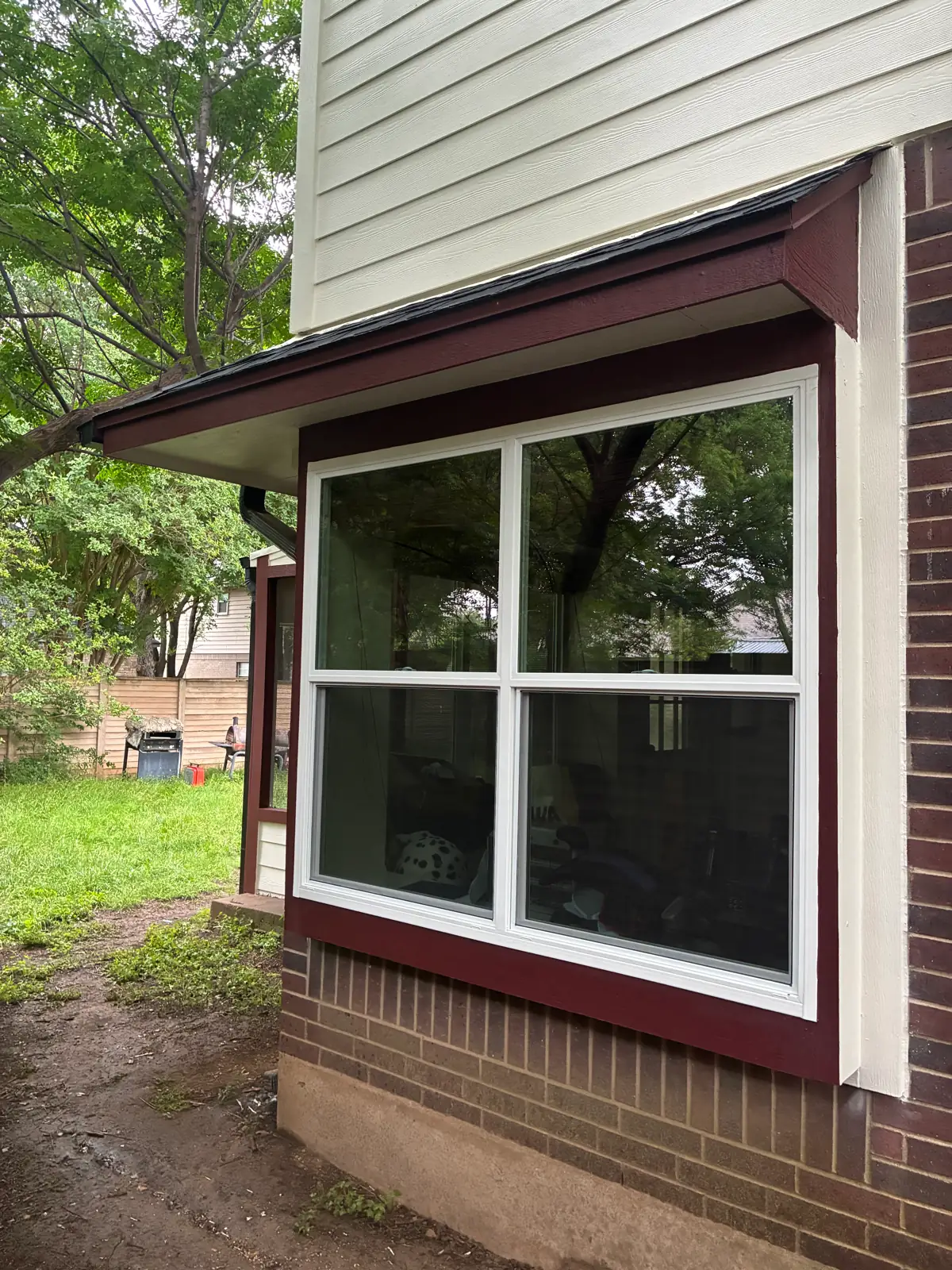
Windows don’t fail all at once. They decline gradually, a draft here, a stuck sash there, a fogged pane you stop noticing, until one summer you realize your home is harder to keep cool and your energy bills have crept up. In Texas’s climate, where windows work overtime against months of intense heat, knowing when to replace them is one of the more valuable maintenance judgments a homeowner can make.
Replacing too early wastes money on windows that still had life in them. Waiting too long means years of inflated energy bills and declining comfort. This guide covers the seven clearest warning signs that your Texas windows have reached replacement age, and when a repair still makes sense instead.
7 Warning Signs It’s Time to Replace Your Windows
1. Condensation or Fog Between the Panes
This is the most definitive sign. When you see fog, moisture, or cloudiness trapped between the glass panes, not on the surface, the window’s insulating seal has failed. The argon gas that made the window energy-efficient has leaked out, and moisture has gotten in. A window in this state has lost most of its insulating value and can’t be repaired; the sealed glass unit (or the whole window) needs replacement. In Texas heat, a failed-seal window is essentially a single-pane window working against your AC.
2. Drafts and Air Leaks Around Closed Windows
Stand near a closed window on a windy day. If you feel air movement, or you can see a candle flame flicker near the frame, the window is leaking. Failed weatherstripping, warped frames, or gaps where the window meets the wall let your conditioned air escape and hot Texas air infiltrate. Drafts are both an energy-bill problem and a comfort problem.
3. Rising Energy Bills With No Other Explanation
If your summer cooling bills have climbed and your AC system, insulation, and usage haven’t changed, your windows are a likely culprit. Old single-pane or failed-seal windows let solar heat pour in and conditioned air leak out, forcing your AC to run harder. In Texas’s long cooling season, inefficient windows show up directly on the monthly bill.
4. Difficulty Opening, Closing, or Locking
Windows that stick, won’t stay open, are painted shut, or won’t lock properly aren’t just an annoyance, they’re a sign of frames that have warped, swollen, or deteriorated. Beyond convenience, windows that won’t operate properly are a safety and egress concern, particularly in bedrooms where a window may be a required emergency exit.
5. Visible Frame Damage, Rot, Warping, or Water Stains
Soft, rotting, or water-stained wood frames; warped vinyl; or visible water damage on the wall around a window all indicate the window is no longer sealing out moisture. Once water is getting into the frame or wall, the problem compounds, and replacement becomes both a comfort and a structural-protection decision.
6. Single-Pane Windows
If your Texas home still has original single-pane windows, replacement is almost always worth it for the energy savings alone. Single-pane glass provides minimal insulation against Texas heat. Upgrading to double-pane low-E windows delivers an immediate, noticeable improvement in comfort and cooling costs, often the single highest-impact efficiency upgrade available for an older Texas home.
7. Excessive Outside Noise or UV Fading
Modern windows dampen outside noise and block UV. If you’re hearing significant street or neighborhood noise through closed windows, or noticing that flooring, furniture, and artwork near your windows are fading, your windows lack the modern glazing and low-E coatings that newer windows provide. Both are signs the windows are dated.
When Window Repair Still Makes Sense
Not every window issue means replacement. Repair can be the right call when:
- The window is relatively new and the problem is isolated, a broken balance, worn weatherstripping, or a single cracked pane on an otherwise sound window
- Only the hardware (locks, cranks, balances) has failed while the frame and glass seal are intact
- A single window is damaged rather than a whole-home pattern of decline
The general rule: isolated, hardware-level issues on otherwise sound windows are candidates for repair. Whole-home patterns, multiple fogged units, widespread drafts, single-pane throughout, climbing energy bills, point to replacement as the better long-term value. For the broader replacement picture, see our guide on signs you need new windows in your Austin TX home.
What to Replace Them With in Texas
If you’ve decided to replace, the key features for Texas are double-pane glass with a heat-rejecting low-E coating, argon gas fill, quality frame materials (vinyl or fiberglass for most homes), and ENERGY STAR certification for the South-Central climate zone. For an example of energy-efficient window work in a specific community, see our window replacement guide for Rollingwood TX. If you’re weighing specific brands, our Andersen vs Pella windows comparison for Austin is a useful starting point.
Why Tex Land Construction
Tex Land Construction is a fully licensed, insured, BBB-accredited exterior contractor serving Austin and the surrounding communities with a 5.0 Google rating. We install energy-efficient replacement windows built for Texas heat, and we give honest repair-versus-replacement assessments, we’ll tell you when a repair is the smarter move and when replacement is the better long-term value.
We offer a 5% discount on all services for military veterans, active duty service members, first responders, and senior homeowners. To schedule a free window assessment, visit our windows page or call 512-808-6882.
Not Sure If It’s Time? Get a Free Assessment
Honest repair-vs-replacement advice. Energy-efficient windows built for Texas heat. 5.0 Google rating.
Schedule Free Estimate →Let’s talk about your home.
Schedule a free consultation →