
Energy-Efficient Windows in Austin, TX
In Central Texas the job of a window is to keep heat out, not in. That makes the glass coating more important than almost anything else on the spec sheet. We fit the glass package to each elevation of your home rather than quoting one product for every opening.
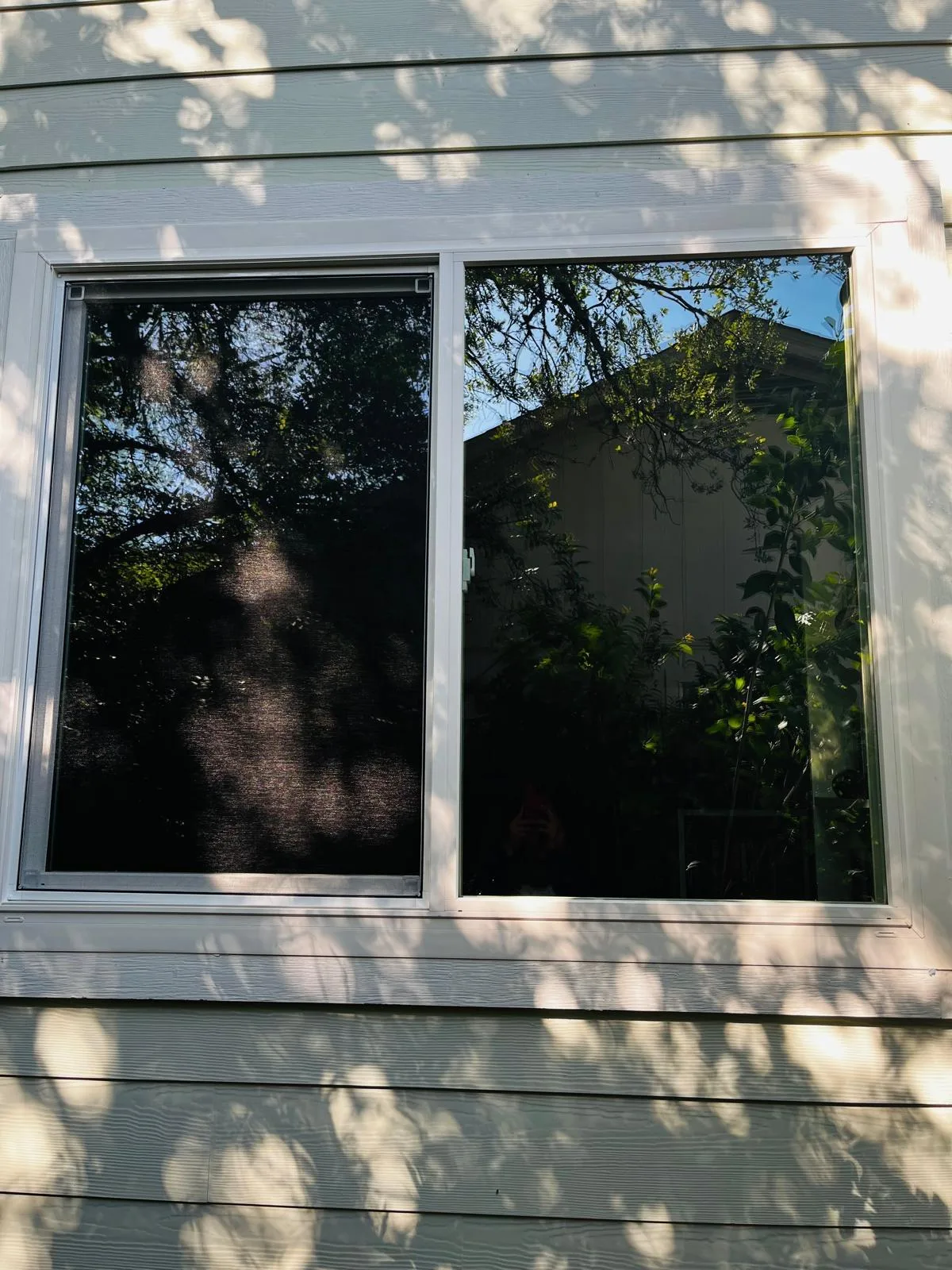
Energy-Efficient Windows for Central Texas
Most advice about efficient windows is written for cold climates, where the goal is holding heat inside. Austin has the opposite problem for eight months of the year. Here the number that matters most is Solar Heat Gain Coefficient, which measures how much of the sun’s energy the glass lets through.
Choosing energy-efficient windows for a home in this climate means prioritising a low SHGC on the elevations that take direct sun, and worrying about insulating value second. A window with an excellent U-factor and a high SHGC will still bake your west-facing rooms.
That is also why we do not quote one glass package for a whole house. The north side of your home rarely needs the same spec as the west side, and putting the budget where the sun actually hits gets you a better result for the same money.
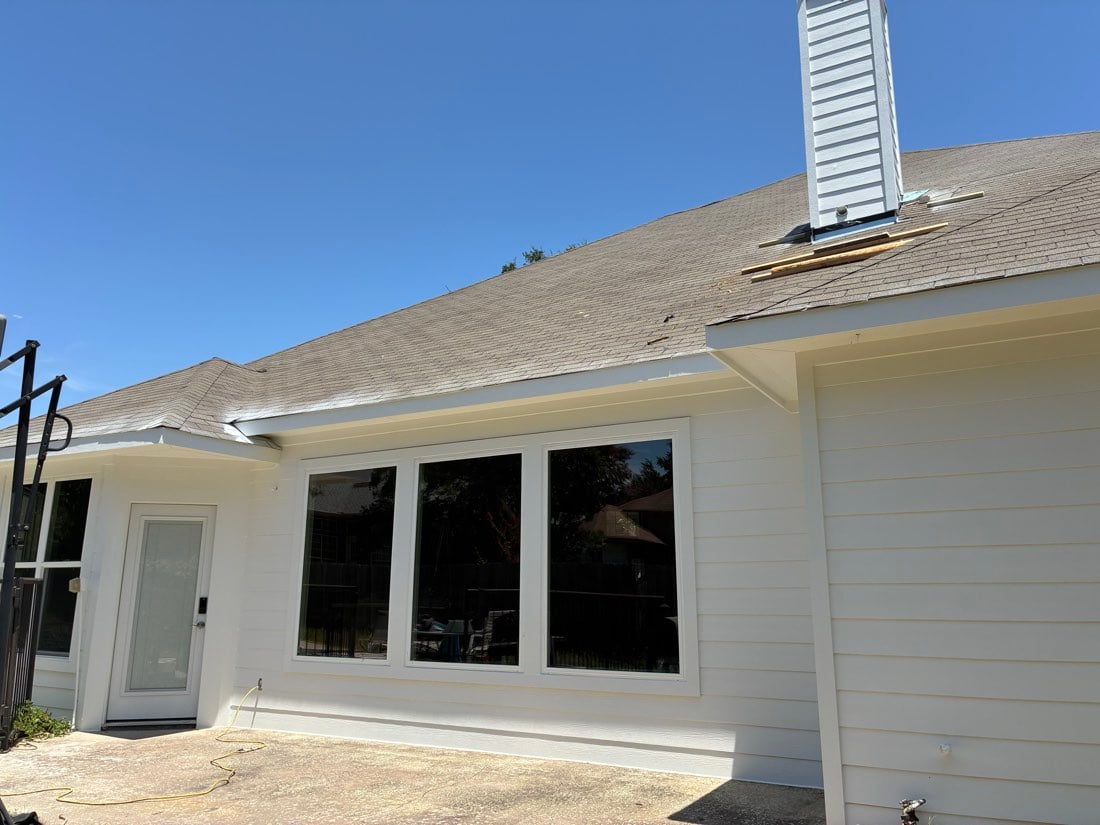
Low-E Glass Installation and Why It Matters Most
Low-E is a microscopically thin metallic coating on the glass surface. It is invisible in normal use, and it is the single biggest performance decision in a Texas window. Low-E glass installation is where most of the comfort improvement in a modern window actually comes from.
The coating reflects infrared energy while letting visible light through, so the room stays bright but the heat that comes with sunlight does not arrive with it. On a west-facing wall in August, the difference between coated and uncoated glass is something you feel standing next to the window.
Coatings come in different strengths and in different positions within the sealed unit. A southern-climate coating tuned for solar rejection performs very differently from a northern one tuned to hold heat in, and the wrong one gets specified more often than you would expect.
- Solar-control coatings for hot climates
- Correct coating surface position
- High visible light, low heat gain
- Reduces furniture and floor fading
- Specified per elevation
- NFRC ratings on every quote
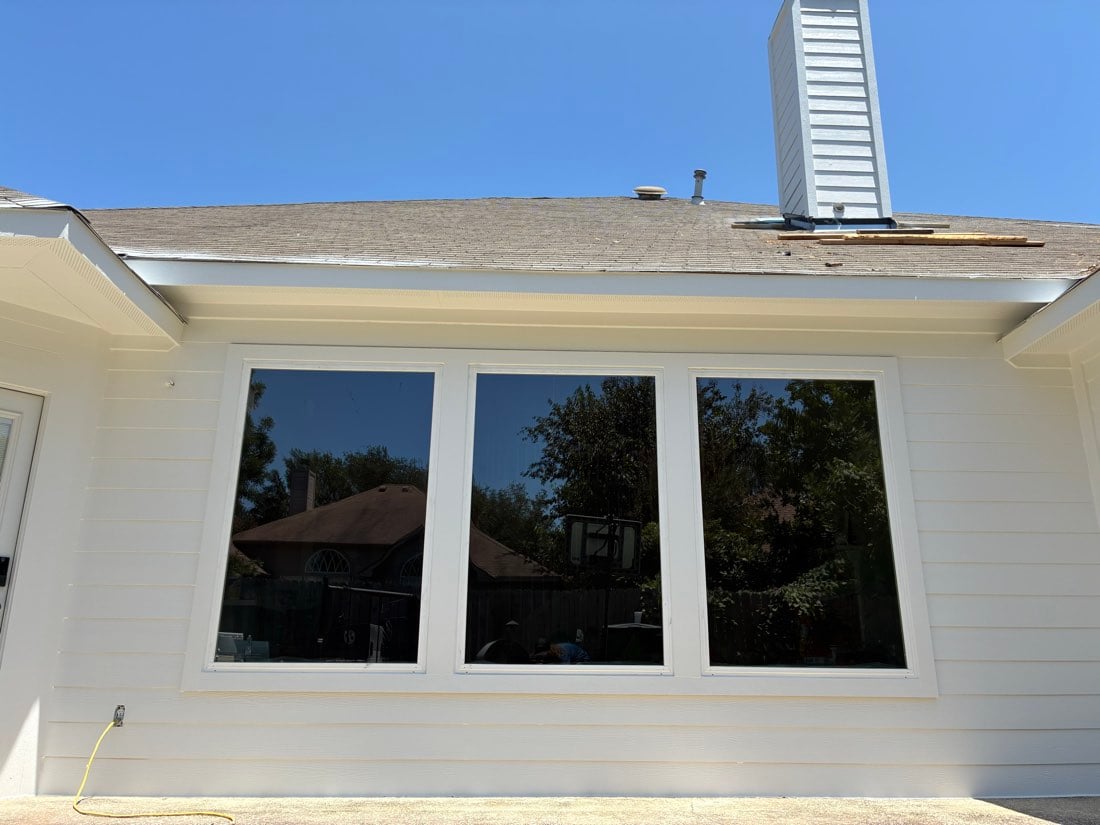
Double Pane Window Installation
Double pane is the standard for Austin homes and, for the large majority of houses here, the right stopping point. Double pane window installation with a good solar-control coating and a warm-edge spacer gives you most of the available benefit at a sensible cost.
Two Panes, Sealed Cavity
Two sheets of glass with a sealed gap between them. That trapped space is what does the insulating work.
Argon Gas Fill
Argon is denser than air and slows heat transfer across the cavity. Standard on the units we install.
Warm-Edge Spacer
The spacer around the perimeter is where cheap units lose performance and where seals fail first.
Noticeably Quieter
Two panes and a gas fill cut outside noise substantially compared with single-pane glass.
No More Condensation
Interior surface stays closer to room temperature, so winter condensation on the glass largely stops.
Best Value Per Dollar
For most Austin homes this is where the efficiency curve flattens. Beyond it, returns get small quickly.
Triple Pane Window Installation
Triple pane adds a third sheet of glass and a second sealed cavity. It is the standard in cold northern climates, and it does improve insulating value here too, but we want to be straight with you about the return in Austin.
In a heating-dominated climate, triple pane window installation pays back through winter fuel savings. In Central Texas, where the load is cooling rather than heating, the extra pane helps less than a better Low-E coating on a double pane unit would, and it costs considerably more.
Where triple pane genuinely earns its place here is noise. Homes near MoPac, I-35, or under a flight path get a real, obvious reduction in traffic and aircraft noise. If sound is your motivation rather than energy bills, it is worth the money. If it is purely about the electricity bill, we will usually point you to better glass instead.
- Strong choice for noise reduction
- Highest insulating values available
- Heavier, needs capable hardware
- Longer lead times to order
- Modest energy return in this climate
- Honest advice before you spend
Insulated Glass Installation and Replacement
The insulated glass unit, or IGU, is the sealed sandwich of glass, spacer, and gas that sits inside your sash. Insulated glass installation is not only part of a new window. When an existing unit fogs up, we can often replace the IGU alone and leave your frame and sash in place.
Foggy Unit Replacement
Condensation between the panes means the seal has failed. We fit a new sealed unit into your existing sash.
Upgrade While You Are There
A replacement IGU is a chance to add a solar-control coating the original glass never had.
Tempered Where Required
Near doors, in bathrooms, and below certain heights, code calls for tempered safety glass. We supply it correctly.
Laminated for Sound
An interlayer between glass sheets cuts noise and holds the glass together if it breaks.
Obscure and Frosted
Privacy glass for bathrooms and street-facing rooms, matched to the rest of the window.
Hail and Storm Damage
Broken units replaced quickly, with documentation for an insurance claim where one applies.
Whether the glass can be replaced on its own depends on how your sash is built. Some units are designed to be serviced this way and some are sealed as one piece. We check yours before quoting, because the difference in cost is significant.
Smart Window Installation
Smart windows cover a few different technologies, and the term gets used loosely. The two worth knowing about are electrochromic glass, which tints on demand when a small voltage is applied, and integrated blinds sealed between the panes.
Smart window installation makes most sense on large west-facing glass where the sun is a problem for part of the day and the view is the reason you have the window. Being able to tint the glass in the afternoon and clear it in the evening solves something no fixed coating can.
It is genuinely expensive, and it needs power run to the opening, which is easier to plan during a remodel than to retrofit. Sealed integrated blinds are the more practical middle ground for most homes: no dusting, no cords, and nothing to replace when a slat breaks.
- Electrochromic tint-on-demand glass
- Blinds sealed between the panes
- Best on large west-facing glass
- Power planning needed at the opening
- Easier during a remodel
- We will say when it is not worth it
The Four Numbers That Actually Matter
Every quality window carries an NFRC label. These are the figures worth comparing, and what they mean for a house in Austin.
SHGC
Solar Heat Gain Coefficient. How much solar energy passes through. In Austin, lower is better, and this is the one to prioritise.
U-Factor
How readily heat moves through the whole window. Lower is better, though it matters less here than SHGC does.
Visible Transmittance
How much daylight comes through. You want this reasonably high, or rooms feel dim and gloomy.
Air Leakage
How much air passes through the assembly. Poor installation undoes a good number here, which is why fit matters.
Whole Window, Not Glass
Compare whole-unit ratings. Centre-of-glass figures always look better and are not what you are buying.
Ask for the Label
We put the NFRC ratings on the quote. Any contractor who will not show you them is worth a second thought.
What Efficient Windows Cost, and What Comes Back
The order of operations matters more than the brand you pick.
Efficiency upgrades get sold on payback maths that rarely survives contact with a real house. Here is a more honest way to think about the spend.
The Coating Is the Value
A solar-control Low-E coating costs relatively little per unit and delivers most of the comfort gain. Start here every time.
Prioritise by Elevation
West and south glass causes the problem. Spending the budget there beats spreading it evenly across the house.
Comfort Before Bills
Most homeowners notice rooms that finally hold temperature long before they notice the utility bill. That is the real return.
Glass Area Drives Everything
A house with a wall of west-facing glass sees a far larger change than one with small punched openings.
Your AC Works Less
Reducing solar gain lowers the load on the system, which shows up as shorter run times through the worst part of the afternoon.
Beware Exact Percentages
Anyone promising a specific percentage saving before seeing your house is guessing. We will not put a number like that on a quote.
Realistically, energy-efficient windows in Austin are a comfort and condition upgrade that also reduces cooling load, rather than an investment that pays for itself within a defined number of years. We would rather say that up front than quote a payback figure we cannot stand behind.
What Else Affects Window Performance
The glass gets the attention, but three other things determine whether you actually feel the benefit. Two of them are free.
Installation Quality
A high-rated window fitted badly leaks air around the frame. The rough opening seal matters as much as the unit itself.
Shading and Overhangs
An eave or a well-placed tree cuts solar gain before it reaches the glass. Worth accounting for before you spend on coatings.
Which Way It Faces
West glass is the problem in Austin, then south. North-facing openings rarely justify the top glass package.
Interior Window Coverings
Cellular shades and lined drapes add meaningful resistance, particularly overnight and on the hottest afternoons.
Solar Screens
Exterior mesh stops heat before it hits the glass, which is more effective than stopping it after.
Attic and Wall Insulation
If your attic is under-insulated, windows are not where your money buys the most comfort. We will say so.
We would rather tell you that your attic needs attention before your windows do than sell you a job that underdelivers. If windows genuinely are your weak point, the improvement is obvious. If they are not, replacing them will disappoint you no matter what the label says.
How Our Window Installation Process Works
Five steps, and you know what is happening at each one.
Free In-Home Estimate
We walk each elevation, note the sun exposure, and recommend a glass package per side of the house.
Exact Measurements
Each opening is measured individually so units are built to your home, not to a standard size.
Written Quote
Itemized, with the NFRC ratings for the glass we are proposing and financing options laid out.
Installation
Old units out, openings inspected and repaired, new windows set, flashed, sealed, and trimmed.
Walkthrough
We operate every window with you, review the warranty, and clear the site.
Energy-Efficient Windows Across Greater Austin TX
Tex Land Construction installs windows for homeowners throughout Austin and the surrounding communities.
Visit or Call Tex Land Construction
Austin, TX 78744
Trusted by Austin Homeowners
“Professional, courteous, prompt, and very dependable. TLC takes pride in their work and I strongly recommend this company.”
“Overall great experience. They do what was agreed upon and then exceed beyond that. Great communication with everyone involved. Would highly recommend.”
“Great company! Workers very friendly and knowledgeable. Very clean after job was done. Were very fast!”
Energy-Efficient Window FAQs, Austin TX
How much will energy-efficient windows lower my bill in Austin?
It depends on what you are replacing and how much glass you have. Going from single-pane to Low-E double-pane on a west-facing wall produces the clearest difference, and most homeowners notice it as rooms that finally hold temperature rather than as a single dramatic number on the bill. Anyone quoting you an exact percentage before seeing your house is guessing.
Is triple pane worth it in Texas?
For energy alone, usually not. Our climate is cooling-dominated, so a better solar-control coating on double pane typically does more for less money. Triple pane is worth it if noise is your main concern, particularly near major roads or a flight path, where the reduction is genuinely noticeable.
What SHGC should I look for in Austin?
Lower is better in this climate, and the elevations taking direct afternoon sun are where it matters most. Rather than naming one number for every window, we recommend a glass package per side of the house so your budget goes where the heat actually is.
Can I just replace the glass instead of the whole window?
Often yes, if the frame and sash are sound and the sash is built to be serviced. Replacing the insulated glass unit costs far less than a full window and lets you add a coating the original glass never had. We check whether yours can be done that way before quoting.
Do efficient windows help with noise too?
Yes, though the biggest gains come from laminated glass or differing glass thicknesses rather than from the number of panes alone. If noise is the priority, tell us at the estimate and we will spec for it specifically rather than assuming energy is the goal.
Are there rebates for efficient windows?
Programs change from year to year and are run by utilities and government bodies rather than by us, so we will not promise a specific amount. We do provide the NFRC ratings and documentation you need to apply, and we can point you toward where to check current offers.
What is the difference between U-factor and R-value?
R-value measures resistance to heat flow and is used for insulation. U-factor is its inverse and is what windows are rated with, so lower is better. Comparing a window U-factor to an insulation R-value directly is not meaningful.
Does Low-E glass make rooms darker?
Slightly, but far less than most people expect. Modern solar-control coatings are tuned to pass visible light while rejecting infrared, so rooms stay bright. The Visible Transmittance figure on the NFRC label tells you exactly how much light comes through.
Will efficient windows stop condensation?
On the inside of the glass, usually yes, because the interior surface stays closer to room temperature. Condensation between the panes is a different problem entirely and means a sealed unit has failed.
Should I replace windows or add insulation first?
If your attic insulation is thin, that is almost always the better first dollar. Windows are a smaller share of the heat load in most Austin homes than the roof is. We will tell you honestly if that is your situation, even though it means a smaller job for us.
More on Windows From Our Team
Ready to move forward? See our window replacement page, or browse all window services in Austin.
Want Windows That Keep the Heat Out?
Get a free in-home estimate with a glass package matched to each side of your house. Financing available. Serving Westlake Hills, Rollingwood, Cedar Park, Round Rock, Pflugerville, and all of greater Austin TX.