Menu
James Hardie vs Vinyl Siding: Which Is Better for Homes in Austin, Texas?
Choosing the right siding for your home isn’t always straightforward, especially when you’re comparing two of the most popular options on the market: James Hardie siding and vinyl siding. Both materials are widely used, both offer distinct advantages, and both come at very different price points.
But if you’re a homeowner in Austin, Texas, the decision goes beyond cost alone. The local climate, long-term durability, maintenance needs, and overall aesthetic value all play a major role in determining which siding is actually the better fit.
In this guide, we’ll take a deeper, practical look at how these two options compare, so you can make a confident, informed decision for your home.
Understanding the Core Difference Between the Two
At the most basic level, the difference comes down to material composition and performance.
James Hardie siding, also known as fiber cement siding, is made from a blend of cement, sand, and cellulose fibers. It’s engineered to be strong, durable, and resistant to environmental damage.
Vinyl siding, on the other hand, is made from PVC (polyvinyl chloride). It’s lightweight, more affordable, and easier to install, but it behaves very differently under stress.
This foundational difference impacts everything else, from lifespan to maintenance to how each material handles Austin’s climate.
How Each Siding Performs in Austin’s Climate
The weather in Austin, Texas is one of the biggest factors to consider when choosing siding. With long, hot summers, high UV exposure, and occasional heavy storms, your siding needs to handle more than just everyday wear.
James Hardie siding performs exceptionally well in these conditions. It’s designed to resist heat without warping or cracking, and it doesn’t expand and contract as dramatically as other materials. It also handles moisture effectively, reducing the risk of swelling or rot.
Vinyl siding, while durable in milder climates, can struggle under extreme heat. Prolonged sun exposure may cause it to fade over time, and in some cases, it can warp or soften during peak summer temperatures.
When it comes to weather resistance, fiber cement clearly has the edge in Austin’s demanding climate.
Durability and Lifespan: Short-Term vs Long-Term Thinking
If you’re thinking long-term, durability becomes a key deciding factor.
James Hardie siding is built to last. With proper installation and basic maintenance, it can easily perform well for 30 to 50 years. It’s resistant to impact, moisture, and pests, making it a strong choice for homeowners who want a long-lasting solution.
Vinyl siding typically has a shorter lifespan, often ranging between 20 and 30 years. While it holds up reasonably well under normal conditions, it’s more vulnerable to cracking, especially during temperature fluctuations or impact.
In areas where weather can be unpredictable, investing in a more durable material often pays off over time.
Maintenance Requirements and Upkeep
Maintenance is another area where the differences become clear.
James Hardie siding is known for being low maintenance, but not maintenance-free. It may require occasional cleaning and repainting over time, especially if you choose a non-pre-finished option. However, newer finishes are designed to last for many years before needing attention.
Vinyl siding is often marketed as maintenance-free, and it does require less ongoing care in terms of painting. However, it can be prone to fading, and once the color fades or the material is damaged, repairs can be more noticeable.
So while vinyl may seem easier upfront, Hardie siding often offers a more consistent appearance over the long term.
Aesthetic Appeal and Design Flexibility
For many homeowners in Austin, Texas, appearance matters just as much as performance.
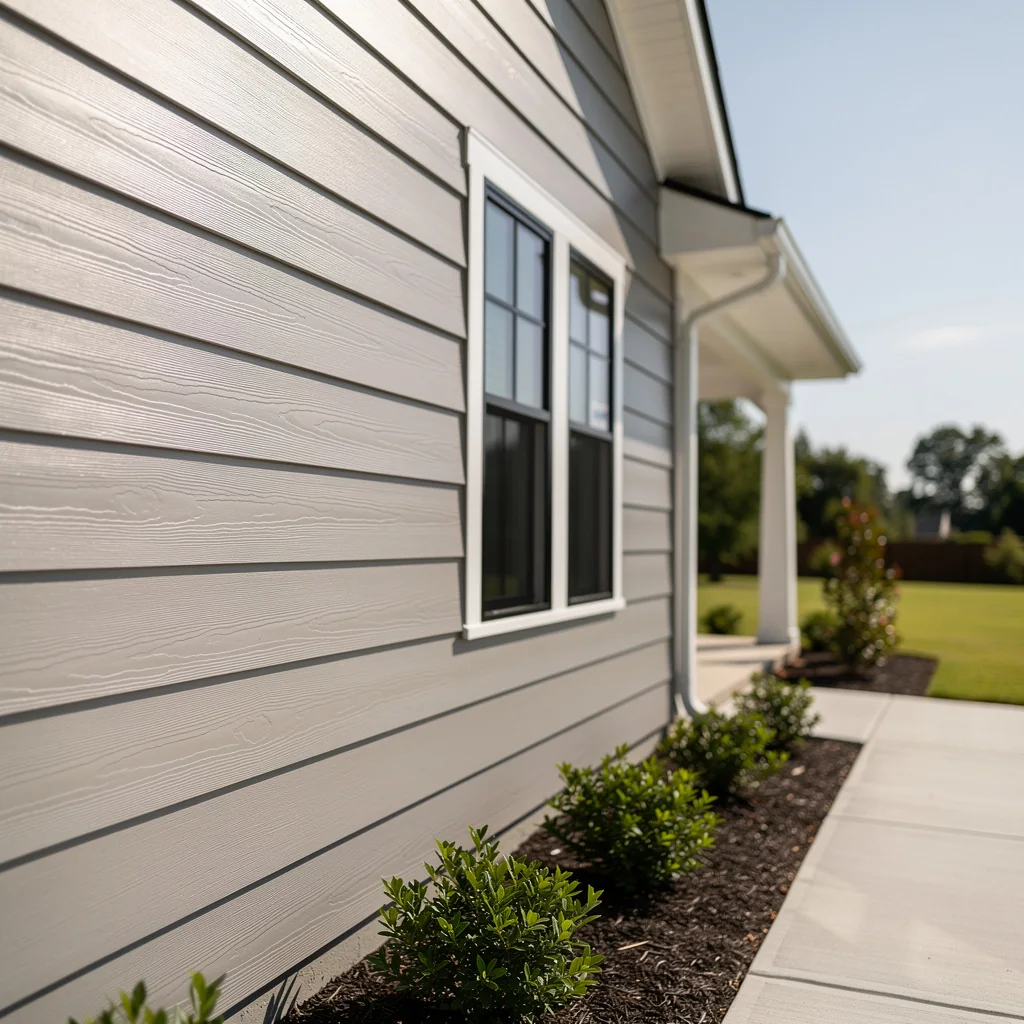
James Hardie siding is designed to closely replicate the look of real wood. It offers a more natural texture and a higher-end finish, making it a popular choice for upscale homes and modern designs.
Vinyl siding has improved over the years, but it still tends to have a more uniform, manufactured appearance. While it comes in a variety of colors, it doesn’t offer the same depth or realism as fiber cement.
If curb appeal and architectural detail are priorities, Hardie siding typically stands out as the more refined option.
Cost Comparison: Upfront vs Lifetime Value
Cost is often the deciding factor for many homeowners, and this is where vinyl siding has a clear advantage, at least initially.
Vinyl siding is significantly more affordable upfront, both in terms of materials and installation. It’s lightweight and easier to install, which helps keep labor costs down.
James Hardie siding, by comparison, requires a higher initial investment. The material itself is more expensive, and installation is more labor-intensive.
However, when you look at the long-term picture, the difference becomes less dramatic. Hardie siding’s durability, lower repair frequency, and longer lifespan often make it more cost-effective over time.
It’s a classic case of paying more upfront to save more later.
Fire Resistance and Safety Considerations
One often overlooked factor is fire resistance.
James Hardie siding is non-combustible, meaning it does not ignite when exposed to direct flame. This adds an extra layer of protection, particularly in areas where fire safety is a concern.
Vinyl siding, being made from plastic, can melt or ignite under high heat. While this may not be a daily concern, it’s still an important consideration when evaluating overall safety.
Pest and Moisture Resistance
In Texas, pests like termites are a real concern for homeowners.
James Hardie siding offers excellent resistance to pests because it’s not made from organic material that insects can consume. It also resists moisture effectively, reducing the risk of mold or rot.
Vinyl siding is also resistant to pests, but it can trap moisture underneath if not installed properly. This can lead to hidden damage over time.
Again, installation quality plays a role, but the material itself gives Hardie siding an advantage.
Installation Complexity and Contractor Expertise
Vinyl siding is easier and faster to install, which is one reason it’s more affordable.
James Hardie siding, however, requires specialized tools and experienced installers. Proper spacing, fastening, and sealing are critical to ensuring performance.
This is why working with a qualified siding contractor in Austin TX is especially important if you choose fiber cement. A skilled contractor ensures that your investment performs as expected for decades.
Which Option Is Right for Your Home?
The answer ultimately depends on your priorities.
If you’re looking for a budget-friendly, quick solution and don’t mind potential trade-offs in durability and appearance, vinyl siding may be a suitable choice.
But if you’re focused on long-term value, durability, and a more premium look, James Hardie siding is often the better option, especially in a climate like Austin’s.
Final Verdict
When comparing James Hardie vs vinyl siding, there’s no universal answer, but there is a clear winner for certain conditions.
For homeowners in Austin, Texas, where heat, sun exposure, and weather fluctuations are part of everyday life, James Hardie siding consistently proves to be the more reliable and long-lasting choice.
While vinyl siding offers affordability and convenience, fiber cement delivers performance, aesthetics, and peace of mind.
If you’re planning to invest in your home’s exterior and want results that will stand the test of time, James Hardie siding is hard to beat.
Let’s talk about your home.
Schedule a free consultation →